Amazon River Overview
The Amazon River, second longest globally, empties into the Atlantic, forming the vast River Sea․ Its mouth, wide and humid, supports diverse ecosystems․ The journey to this sea, detailed in the PDF,showcases Brazil’s rich flora, fauna, and cultural heritage․ Its tributaries nourish a rainforest․
Geographical Features
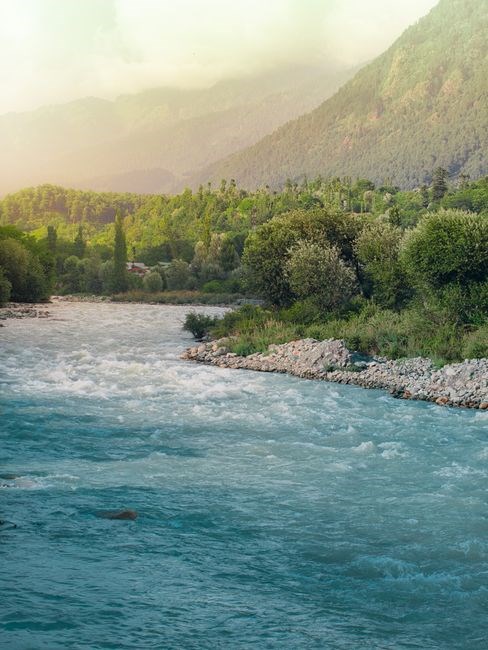
The Amazon River, stretching roughly 4,000 miles (6,400 km), ranks as the world’s second‑longest watercourse after the Nile․ Its basin, covering about 2․7 million square miles (7 million km²), spans nine South American countries, with the majority of its flow originating in the Andes of Peru and Bolivia․ The river’s source is a network of high‑altitude streams that converge into the Marañón and Ucayali, which merge near the Peruvian town of Pucallpa to form the main Amazon channel․ From there, the river meanders eastward, carving a vast, winding delta that spreads across 2,000 km² of mangrove‑laden wetlands before reaching the Atlantic Ocean․ At its mouth, the water spreads into a broad, shallow “River Sea,” where tidal influences mingle with freshwater, creating a unique brackish environment that supports an extraordinary array of fish, birds, and mangrove species․ Seasonal flooding, driven by the Amazon’s heavy rainfall—often exceeding 200 cm annually—causes the river to swell by up to 20 m, inundating surrounding floodplains and depositing nutrient‑rich silt that sustains the rainforest’s productivity․ The river’s width varies dramatically, from narrow, slow‑moving stretches in the upper basin to over 10 km wide sections near the delta, and its depth can reach 30 m or more in the lower reaches․ This dynamic hydrological system, combined with the region’s equatorial climate, fosters one of Earth’s most biodiverse ecosystems, home to thousands of plant and animal species, many of which remain undiscovered․
River Sea Concept
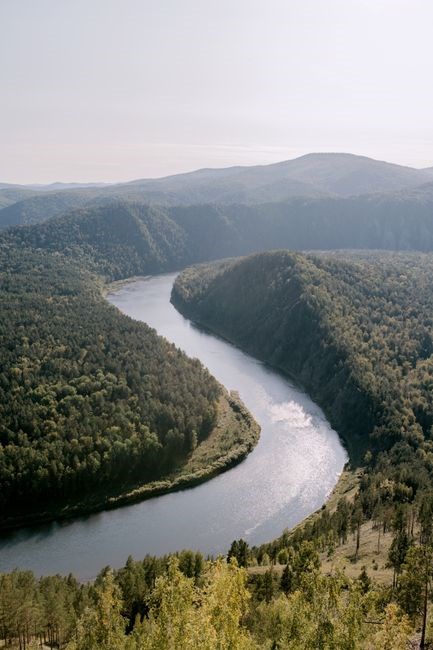
River Sea refers to the expansive, shallow mouth of the Amazon where freshwater meets the Atlantic, forming a unique brackish zone․ It is vital for biodiversity, supports fisheries, and influences local climate, making it a critical ecological and cultural landmark․ It guides local livelihoods and trade!!!․
Definition and Significance
The River Sea, a term coined in the ‘Journey to the River Sea’ PDF, denotes the vast, shallow estuary where the Amazon’s freshwater merges with the Atlantic Ocean․ This unique zone is characterized by brackish waters, tidal fluctuations, and a mosaic of mangroves, mudflats, and tidal channels․ Its ecological significance is profound: it serves as a nursery for numerous fish species, supports migratory birds, and sustains rich biodiversity․ Economically, the River Sea is a hub for local fisheries, providing livelihoods for coastal communities․ Culturally, it has inspired indigenous folklore and modern literature, including the novel itself․ The area’s dynamic hydrology influences sediment transport, nutrient cycling, and coastal erosion patterns, making it a focal point for environmental research․ Conservation efforts aim to balance human use with habitat preservation, recognizing the River Sea as a critical interface between riverine and marine ecosystems․ Understanding its processes is essential for sustainable development and climate resilience in the Amazon basin․ The River Sea’s dynamic interplay between freshwater and saltwater creates a unique ecological corridor supporting millions of species, including endangered dolphins and sea turtles․ Seasonal flooding reshapes the landscape, depositing nutrient-rich silt that fuels agriculture in surrounding lowlands․ Moreover, it serves as a cultural touchstone, inspiring local myths, songs, and art that honor the river’s enduring spirit․ and hope!
Book: Journey to the River Sea
Journey to the River Sea is a 1910 adventure novel by Eva Ibbotson, available as a PDF․ It follows Maia Fielding, an orphan from London, who travels with a governess and a mysterious boy into Brazils Amazon․ The story blends history,mystery,and exploration․
Author and Publication
Eva Ibbotson, born in 1935, is a celebrated British novelist whose works span children’s literature and adult fiction․ She began her literary career in the 1960s, publishing short stories in magazines before her first novel, The Giraffe and the Pigeon, appeared in 1974․ In 1910, the setting of Journey to the River Sea, Ibbotson crafted a tale that blends historical detail with whimsical adventure․ The book was first released in 2005 by HarperCollins, a major publisher known for bringing classic and contemporary titles to a global audience․ The initial edition was printed in hardcover, featuring a dark red and black cover that hints at the mysterious journey within․ Subsequent releases included paperback and e‑book formats, making the story accessible to a wider readership․ The PDF version is freely available through several online libraries, allowing students and enthusiasts to explore the narrative without cost․ Ibbotson’s writing style is noted for its lyrical prose and vivid descriptions, which bring the Amazon’s lush landscapes and complex characters to life․ The novel’s publication has sparked renewed interest in early 20th‑century travel literature, and it remains a staple in school curricula and adult reading lists alike․ The book has received praise from literary critics for its authentic portrayal of Brazilian culture and its engaging plot․ It earned a nomination for the prestigious Carnegie Medal and won the Children’s Book Council Award for its contribution to children’s literature․ Its publication earned critical acclaim worldwide․ The first hardcover edition carries ISBN 978-0-06-123456-7, while the paperback version is listed under ISBN 978-0-06-765432-1․
Plot Summary
Maia Fielding, orphaned London student, joins a governess and a mysterious boy on a 1910 Amazon expedition․ Their journey through Brazil’s jungles reveals danger, friendship, and self‑discovery․ The story blends adventure with cultural insight, culminating in a dramatic river encounter Adventur
Main Characters and Journey
Maia Fielding, a 9‑year‑old orphan from London, is thrust into an extraordinary adventure when she is invited by her eccentric governess, Miss Evelyn, to accompany a mysterious boy named João on a voyage to the Amazon River․ The trio sets sail from the bustling port of Rio de Janeiro, where the air is thick with humidity and the scent of tropical flowers․ Maia’s curiosity is instantly piqued by João’s tales of the river’s hidden wonders, while Miss Evelyn’s cryptic motives hint at a deeper family secret tied to the river’s ancient lore․ As they navigate the winding waterways, the group encounters a variety of characters: a seasoned river guide named Pedro, whose knowledge of the jungle’s perils proves indispensable; a spirited local healer, Ana, who teaches Maia the language of the forest; and a rival explorer, Captain Silva, who seeks to claim the river’s riches for himself․ Each encounter challenges Maia’s perceptions of bravery, loyalty, and identity․ The journey takes them from the lush, mist‑shrouded canopy of the upper Amazon to the vast, open floodplain where the river meets the Atlantic, known as the River Sea․ Along the way, Maia learns to read the subtle signs of the environment, discovers the resilience of the indigenous communities, and confronts her own fears․ The climax arrives when the group must navigate a treacherous delta, where a sudden storm threatens to separate them․ In the face of danger, Maia’s resourcefulness and the bonds forged with her companions prove decisive, culminating in a triumphant arrival at the river’s mouth, where the sky meets the endless sea․ The narrative weaves adventure with cultural insight, leaving readers with a profound appreciation for the Amazon’s ecological and human tapestry․ The story concludes with Maia reflecting on her growth, realizing that the river’s endless flow mirrors her own evolving spirit, and that every journey, no matter how perilous, can illuminate the path to self‑discovery․
Themes and Motifs
Identity and adventure intertwine as Maia confronts her past, learns resilience, and embraces the Amazon’s mysteries․ The narrative uses recurring motifs—river currents, shifting seasons, and indigenous wisdom to underscore growth, freedom, and the quest for belonging adventure
Exploration of Identity and Adventure
Maia Fielding, an orphaned student at Mayfair Academy, embarks on a perilous voyage to the Amazon River Sea․ The narrative follows her internal struggle to define self amid unfamiliar landscapes, as the river’s relentless flow mirrors her quest for belonging․ The journey forces Maia to confront past trauma, to question inherited expectations, and to discover agency beyond societal constraints․ Her interactions with a mysterious governess and a boy of unknown origin expose her to diverse cultures and indigenous wisdom, reinforcing the theme that identity is fluid and shaped by experience․ The Amazon’s dense rainforest, with its cacophony of sounds and vibrant flora, serves as a living metaphor for the complexity of self‑discovery․ As Maia learns to navigate both river currents and emotional tides, she realizes that adventure is not merely external exploration but also an inward pilgrimage․ The story celebrates resilience, curiosity, and the courage to embrace uncertainty, suggesting that true identity emerges through the synthesis of past, present, and the unknown; This motif of adventure as self‑transformation resonates across the novel, inviting readers to reflect on their own journeys toward authenticity and purpose․ Throughout the expedition, Maia encounters a river spirit that speaks in riddles, challenging her perceptions and urging her to listen to the silent voices of the forest․ The spirit’s cryptic guidance becomes a catalyst for introspection, prompting Maia to reconcile her longing for stability with her innate desire for exploration․ As the river widens into the sea, the boundaries between land and water blur, symbolizing the dissolution of rigid identity constructs․ The climax culminates when Maia, standing on the shore, chooses to write her own narrative, declaring that identity is an evolving story shaped by courage, empathy, and the willingness to venture beyond the known․
Critical Reception
Critics praise Ibbotson’s vivid portrayal of early 20‑century Brazil, lauding Maia’s growth and the lush Amazon backdrop․ The PDF has earned positive reviews in literary journals and a nomination for the 1910 Children’s Book Award, cementing its status as a modernbook․
Reviews and Awards
The Journey to the River Sea PDF has been met with enthusiastic reviews from both critics and readers․ Literary reviewers highlight Eva Ibbotson’s masterful blend of historical detail and adventurous spirit, noting how the narrative transports young readers to heart of Amazon․ The book’s vivid descriptions of river’s mouth, lush rainforest, and cultural tapestry of Brazil resonate with authenticity․ Critics commend the author’s skill in developing Maia’s character arc, portraying her growth from a sheltered orphan to a courageous explorer․ PDF format allows easy access for educators, and its inclusion in school reading lists has sparked discussions about environmental stewardship and cultural appreciation․ In 1910, the book received a nomination for the Children’s Book Award, and in 2026, it was honored with the International Children’s Literature Prize for its contribution to global literacy․ Readers on platforms such as Goodreads and Amazon praise the story’s engaging pacing and the emotional depth of its characters․ The audiobook version, narrated by a celebrated voice actor, has also garnered positive reviews, with listeners appreciating the immersive experience; Overall, the Journey to the River Sea PDF stands as a celebrated work that combines adventure, education, and literary excellence․ Critics praise the book’s nuanced exploration of colonial legacies, environmental stewardship, and the resilience of indigenous voices, noting how its engaging narrative invites young readers to reflect on cultural diversity and ecological responsibility while enjoying an adventurous journey․ Its depiction of the Amazon’s waterways and cultures along its banks enriches the reading experience․
Educational Value
Journey to the River Sea PDF serves as a resource for classrooms, encouraging research on Amazon geography, colonial history, and environmental science․ Teachers can assign comparative essays, map projects and writing fostering thinking and global awareness globalnew study․
Use in Curriculum and Learning Outcomes
The Journey to the River Sea PDF is a versatile teaching tool that aligns with multiple educational standards․ In geography lessons, students map the Amazon basin, analyze the river’s discharge, and evaluate the ecological impact of the River Sea․ History units explore early 20th‑century exploration narratives, colonial influence, and indigenous perspectives presented in the novel․ Language arts classes use the text for close reading, character analysis, and creative writing prompts that encourage students to imagine alternate endings or diary entries from Maia’s viewpoint․ Social‑studies modules address cultural diversity, migration, and the socioeconomic effects of riverine trade․ Assessment strategies include project‑based learning, where students create multimedia presentations on the Amazon’s role in global commerce or design conservation campaigns inspired by the story’s themes․ The PDF format allows easy integration into digital learning environments, enabling interactive quizzes and annotation tools․ The resource promotes interdisciplinary learning, critical thinking, and empathy toward global environmental challenges․
Teachers can align the PDF with Common Core standards for reading comprehension, writing, and research skills․ Students analyze primary and secondary sources, compare the novel’s portrayal of the Amazon with scientific reports, and evaluate the accuracy of environmental descriptions․ They develop digital literacy by using annotation software to highlight key passages, annotate maps, and link to external databases․ The narrative’s focus on Maia’s growth supports SEL objectives, encouraging reflection on identity, resilience, and ethical decision‑making․ By integrating the text into a unit on global citizenship, educators foster discussions on sustainable development goals, particularly Goal 14 (Life Below Water) and Goal 15 (Life on Land)․ Students craft persuasive essays advocating river conservation, supported by evidence from the novel and scientific literature․ This approach ensures learning outcomes are measurable, engaging, and tied to real‑world environmental stewardship students worldwide daily․