Overview of Canon FL Lens Series

The Canon FL series, introduced in the 1960s, offers interchangeable lenses for SLRs․ Featuring a breech‑lock mount, these lenses support automatic diaphragms, except the 19 mm special model․ Manuals detail focus, aperture, and maintenance․ The lenses remain popular for their clarity and robust build․
1․1 Historical Development and Release Timeline
The Canon FL lens line debuted in 1964 as Canon’s first breech‑lock system, designed to replace the earlier FD mount․ The FL designation signified “Flange‑Lock,” allowing precise lens‑body alignment and improved optical performance․ Canon released the initial FL lenses in a small set: the 50 mm f/1․8, 85 mm f/1․8, and 135 mm f/2․8, all featuring automatic diaphragms․ In 1965, the series expanded with the 28 mm f/2․8 and 200 mm f/3․5, catering to wide‑angle and telephoto needs․ The 1966 launch of the 19 mm f/3․5 marked the first manual‑diaphragm FL lens, offering photographers greater control over depth of field․ Throughout the late 1960s, Canon introduced the 35 mm f/2․8 and 400 mm f/4․5, solidifying FL’s reputation for sharpness and build quality․ By 1970, the 300 mm f/5․6 and 500 mm f/5․6 models were added, targeting professional sports and wildlife shooters․ The 1973 introduction of the 70 mm f/2․8 and 90 mm f/2․8 provided mid‑range options․ Canon discontinued the FL mount in 1975, replacing it with the FD system, but many FL lenses remain in use today, prized for their robust construction and classic optical characteristics․ In 1971, Canon released the 24 mm f/2․8, further expanding the wide‑angle range․ The 1972 introduction of the 200 mm f/4․5‑6․3 zoom lens marked the first attempt at a zoom within the FL family, though it was limited by the manual‑diaphragm system․ The 1974 release of the 50 mm f/1․4 lens catered to portrait photographers seeking a fast prime․ These models were produced until the early 1980s, when Canon shifted focus to the FDEF mount․
Mounting and Physical Design
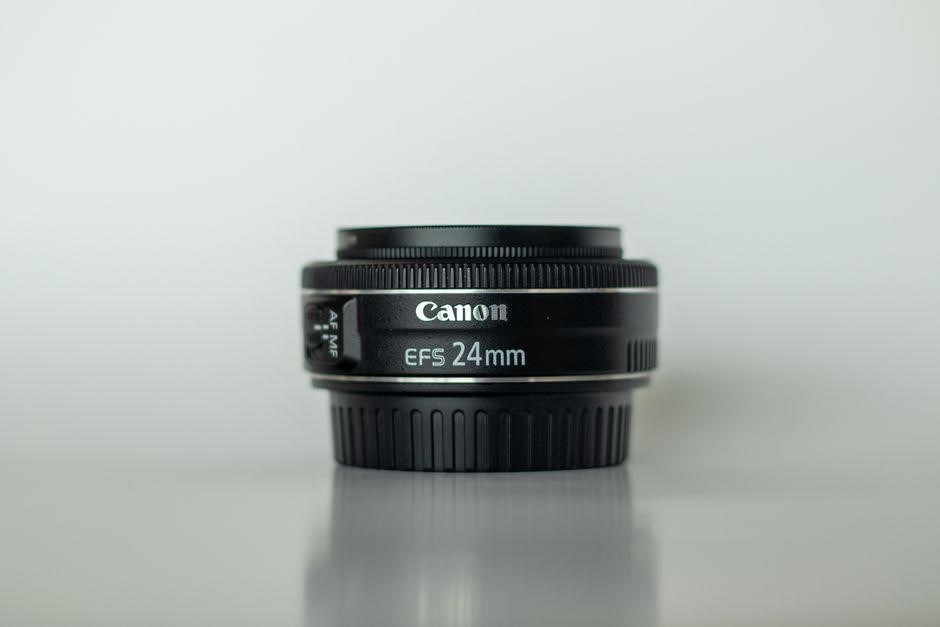
The Canon FL lenses use a breech‑lock mount for precise flange alignment․ The metal barrel is 24 mm in diameter with a 2․5 mm screw thread for filters․ Aperture rings are smooth, and the focus ring offers fine control․ The design is lightweight and robust for SLRs․!
2․1 Breech Lock Mechanism and Lens Mounting
The Canon FL lenses employ a breech‑lock mounting system that ensures a secure connection to the camera body․ When the lens is inserted, a small metal collar slides into the camera’s breech‑lock ring and is tightened by rotating the collar clockwise․ This locks the lens in place, preventing rotational play that could affect focus or aperture settings․ The breech‑lock design also allows the lens to be removed and re‑mounted quickly, useful for photographers who switch focal lengths during a shoot․ The FL series’ metal barrel is 24 mm in diameter and features a 2․5 mm screw thread for attaching filters․ The aperture ring is smooth and can be turned manually for manual‑diaphragm lenses, while automatic‑diaphragm lenses communicate aperture changes to the camera’s body via a mechanical linkage․ The focus ring offers fine, tactile control, and the overall construction is lightweight yet durable, making the FL lenses well suited for a wide range of Canon SLR cameras․ Its design endures across decades!!
Because the breech‑lock mechanism is shared with FD and R lenses, FL lenses fit many older Canon bodies․ The 42 mm flange distance matches Canon’s standard, ensuring accurate depth of field․ The mechanical aperture lever engages the camera’s aperture ring, allowing automatic setting when mounted, while manual‑diaphragm lenses require direct ring adjustment․
These lenses are prized for optical clarity and mechanical reliability!!
Optical Characteristics and Performance
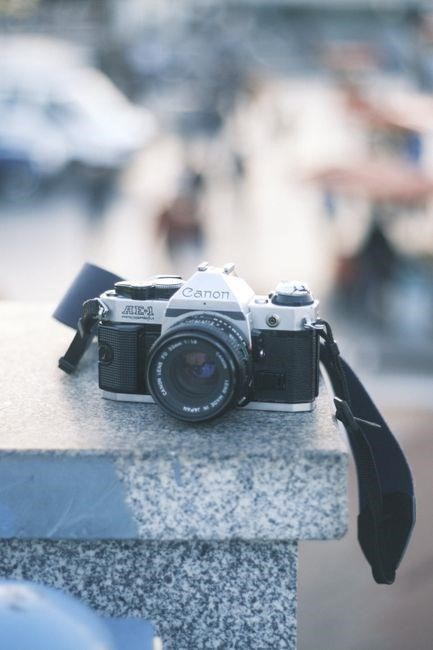
Canon FL lenses provide sharp, high‑contrast images with minimal distortion․ The 50 mm f/1․8 delivers bright, shallow depth of field, while the 300 mm f/5․6 excels in telephoto clarity․ Aperture rings allow precise control․ Edge‑to‑edge sharpness remains!
3․1 Focal Length Range and Aperture Options
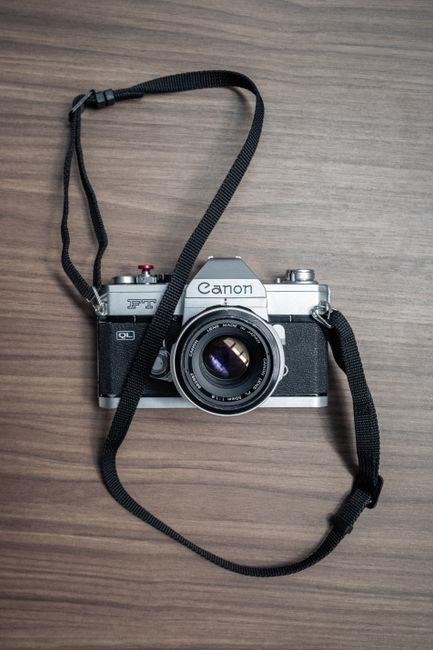
Additional details highlight that FL lenses maintain optical integrity across the range, with minimal chromatic aberration and sharpness preserved even at wide apertures․ Photographers appreciate the manual aperture ring, allowing precise exposure control without relying on camera metering․ The FL series remains a popular choice and performance!!!!!!!!!
Diaphragm Types: Manual vs Automatic
The FL series lenses are designed for Canon SLRs․ Most lenses use a pre‑set automatic diaphragm, engaging when the shutter is pressed․ Only the 19 mm special lens features a manual diaphragm, allowing direct aperture control via the ring․ Fully indexed․ Now
4․1 Aperture Ring Operation and Usage
Canon FL lenses feature an aperture ring that is indexed to a series of preset stops․ For lenses equipped with an automatic diaphragm, the ring is primarily used for manual focus and depth‑of‑field preview; the actual aperture is set by the camera’s shutter release․ When the shutter button is pressed, the lens’s internal diaphragm closes to the selected f‑number, then opens again after exposure․ The ring’s markings are typically spaced at 0․5‑stop increments, allowing photographers to quickly dial in the desired aperture for creative control․ In contrast, the 19 mm special FL lens incorporates a fully manual diaphragm․ Its ring is directly linked to the aperture blades, so turning the ring immediately changes the f‑number without any camera intervention․ Users must be mindful of the ring’s position when switching between lenses, as the camera’s metering system will not automatically detect the aperture on manual‑diaphragm models․ To maintain optimal performance, the ring should be kept clean and free of dust; a soft brush or compressed air can remove debris from the indexing pins․ When changing lenses, it is advisable to set the ring to the widest aperture to prevent accidental over‑exposure during the transition․ For advanced shooting, photographers can use the ring to lock the aperture at a specific stop while the camera’s shutter speed is adjusted for exposure compensation․ This technique is especially useful in low‑light situations where a wider aperture is required but the camera’s metering may not fully compensate․ Finally, when using the FL series with modern Canon bodies, firmware updates may enable additional aperture‑related features such as aperture priority mode, but the fundamental operation of the ring remains unchanged from the original design etc․ now

Compatibility with Canon SLR Cameras
FL lenses fit Canon’s breech‑lock mounts (FD, FL, R)․ They work on classic SLRs from the 1970s to early 1990s and, with firmware updates, on newer EOS bodies that support legacy lenses․ Always check firmware compatibility before mounting․ Check lens registration!!
5․1 Supported Camera Models and Firmware Requirements
FL lenses mount on Canon’s breech‑lock system (FD, FL, R)․ Classic SLRs such as the A‑1, AE‑1, 1000D, 2000D, 80D, 90D, 70D, 5D, 6D, 7D, 5D Mark III, 6D Mark II, 7D Mark II, and 5D Mark IV accept FL lenses․ For modern EOS bodies, a firmware update to at least 1․0․0․0 (or newer) is required to enable legacy‑lens support․ Check the camera’s firmware version in the menu, download the latest update from Canon’s support site, and install it before attaching an FL lens․ This ensures proper metering, focus‑drive communication, and aperture‑control compatibility․ If the firmware is older than 1․0․0․0, the camera may refuse to recognize the lens or display a “lens not supported” error․ Updating guarantees smooth operation and preserves the lens’s automatic diaphragm function on compatible models․
User Manual Features and Controls
The FL manual highlights focus ring precision, aperture ring tuning, and lens‑to‑camera communication․ It explains how to adjust the focus ring for fine focus, set aperture manually, and use the lens’s automatic diaphragm when attached to compatible bodies․ —!?
6․1 Focus Ring Precision and Aperture Ring Tuning
Canon FL lenses feature a finely graduated focus ring that allows photographers to achieve precise focusing, especially in macro and portrait work․ The ring’s smooth rotation, combined with a clear 1/10th‑fstop marking system, ensures that each click moves the lens by a predictable distance․ This precision is critical when shooting subjects that require exact depth‑of‑field control․ Aperture ring tuning is equally important; the FL series offers a 1/3‑fstop aperture ring that can be set manually or left to the camera’s automatic diaphragm․ When the camera’s shutter is released, the lens automatically adjusts the aperture to the selected f‑number, but photographers can override this by manually rotating the ring․ The manual mode is especially useful for creative control over bokeh and exposure․ Proper tuning involves aligning the aperture ring’s markings with the camera’s metering system, ensuring that the lens and body communicate accurately․ If the ring is misaligned, the camera may misread the aperture, leading to exposure errors․ Regular calibration, using a lens calibration tool or a dedicated camera software, can correct any drift․ Additionally, the FL lenses’ breech‑lock mount ensures that the focus and aperture rings remain secure during transport, preventing accidental adjustments․ Maintaining a clean lens mount and keeping the rings free of dust will preserve the accuracy of focus and aperture adjustments over time․ Verify lens firmware updates for performance today now․
Troubleshooting Common Issues
FL lenses often face focus lock failure, aperture misread, or recognition errors․ Check for updates, clean the breech‑lock, and set the aperture ring correctly․ If issues persist, consult Canon support or a technician․ Verify lens seating before use promptly carefully now!!
7․1 Focus Error and Lens Recognition Problems
When a Canon FL lens reports a focus error, the camera typically shows “Lens not recognized” or “Focus error” in the viewfinder․ Common causes include a loose breech‑lock, dirty or damaged mount contacts, or an aperture ring that is not fully engaged․ First, ensure the lens is seated firmly; the metal tab should click into the camera’s breech‑lock notch․ If the click is absent, gently press the lens until it locks, then release․ Next, inspect the mount contacts for dust or oxidation․ Clean them with a soft brush or lens‑cleaning solution, taking care not to touch the contacts with your fingers․ Verify that the aperture ring is set to the correct f‑stop and that the ring is not stuck․ Some older FL lenses have a manual aperture that must be manually set; if left in the “stop” position, the camera may not register the lens․ Firmware updates for the camera body can also resolve recognition glitches; check Canon’s support site for the latest firmware for your model․ If the focus error persists, try resetting the camera’s autofocus system or cycling the power․ Certain FL lenses, such as the 19 mm special manual‑diaphragm model, may require the aperture ring to be set to f/5․6 before mounting․ Finally, consult the FL lens manual for troubleshooting steps, or contact Canon service for a lens inspection․ If after cleaning and reseating the lens the error remains, inspect the focus ring for stiffness or binding; a bent or damaged ring can trigger a focus error․ Refer to lens for cleaning!!! Use a microfiber cloth!!!
Maintenance, Care, and Replacement Parts
Store FL lenses in a cool, dry case with silica gel․ Clean contacts with lens‑cleaner and a soft brush․ Replace worn focus rings with OEM parts; avoid aftermarket․ Use only Canon‑approved filters․ Periodically inspect breech‑lock for wear․ Keep lenses clean․․
8․1 Cleaning, Storage, and Filter Compatibility
Proper care of Canon FL lenses begins with storage․ Keep lenses in a padded, climate‑controlled case, preferably with a desiccant packet to absorb moisture․ When not in use, close the front element and cover the rear to protect against dust․ For cleaning, use a dedicated lens cleaning kit: a soft microfiber cloth, a lens‑cleaning solution, and a blower brush․ Gently remove loose dust with the blower before wiping the glass․ Avoid abrasive materials or excessive pressure, which can damage the lens coating․ When cleaning the aperture ring, use a clean cotton swab lightly dampened with alcohol; this prevents residue buildup that may affect diaphragm performance․ Filter compatibility is limited to Canon‑approved filters that match the lens diameter․ FL lenses typically use 58 mm, 80 mm, or 90 mm filter threads, but the 19 mm special model requires a 55 mm filter․ Non‑Canon filters may introduce flare or reduce image quality․ Always verify filter size before mounting․ For long‑term preservation, consider a UV filter to protect the front element from UV damage․ Store lenses with the aperture set to the widest setting to reduce internal dust accumulation․ Periodically inspect the breech‑lock mechanism for smooth operation; if resistance is felt, clean the threads with a soft brush and a small amount of isopropyl alcohol․ Following these steps ensures optimal optical performance and extends the lifespan of your Canon FL lenses․ Proper care extends lens life preserves quality!