Beckman Oral Motor Exercises: A Comprehensive Guide
Beckman Oral Motor Evaluation Protocols, often found as PDF documents, detail assessments of oral movements—range, strength, and response to stimuli—without relying on verbal cues․
What are Beckman Oral Motor Exercises?
Beckman Oral Motor Exercises are a specialized approach to evaluating and treating oral motor difficulties, often detailed in readily available PDF resources․ These exercises don’t depend on a child’s ability to follow verbal instructions, making them ideal for individuals with communication challenges․
The core principle involves using assisted movement and stretch reflexes to assess the function of the lips, cheeks, jaw, tongue, and soft palate․ Evaluations, documented in protocols like the Beckman Oral Motor Evaluation Protocol PDF, quantify response to pressure, range of motion, strength, and movement control․
Therapists utilize these exercises to improve feeding skills and speech clarity by targeting specific oral motor weaknesses․ The approach emphasizes a functional assessment, observing how the oral structures actually move, rather than what a child is told to do․
The Beckman Oral Motor Evaluation Protocol
The Beckman Oral Motor Evaluation Protocol, frequently accessed as a PDF, is a systematic method for assessing oral motor skills․ It’s designed to objectively measure function without relying on a child’s ability to understand or respond to verbal cues․
This protocol meticulously examines responses to pressure and movement, evaluating the range of motion and strength of the lips, cheeks, jaw, tongue, and soft palate․ Detailed scoring systems, outlined in the PDF, allow therapists to quantify these observations․
The evaluation isn’t simply about if a movement occurs, but how it occurs – assessing variety and control․ This comprehensive approach, detailed in the protocol PDF, informs targeted therapy interventions․
Key Components of the Evaluation
The Beckman Oral Motor Evaluation Protocol, often available as a PDF, centers around three key components․ First, Range of Movement Assessment determines the extent of motion in various oral structures․ Second, Strength Assessment quantifies the force generated during movements․
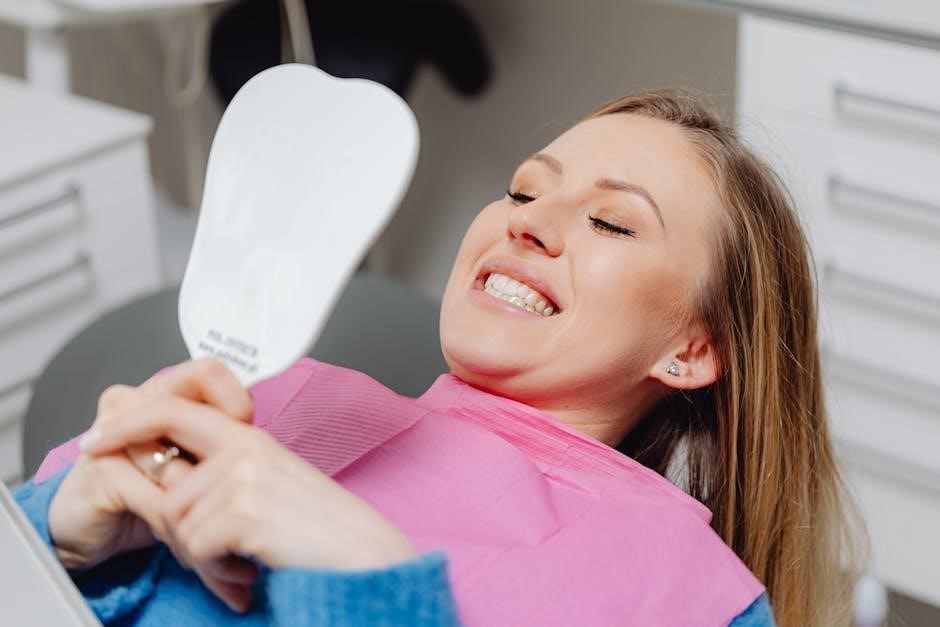
Crucially, the protocol emphasizes Response to Pressure and Movement, observing how the child reacts to tactile stimulation․ This is documented within the PDF scoring sheets․ These components are assessed for the lips, cheeks, jaw, tongue, and soft palate․
The PDF provides standardized scoring to objectively measure these elements, allowing for consistent and reliable evaluation of oral motor function․
Range of Movement Assessment
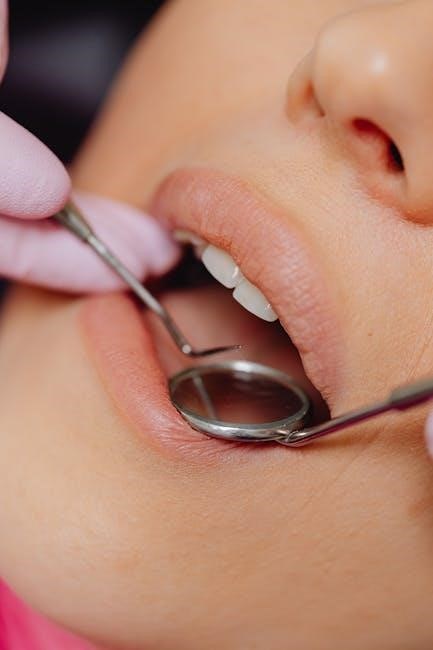
Within the Beckman Oral Motor Evaluation Protocol – frequently accessed as a PDF – Range of Movement (ROM) assessment is a foundational element․ The PDF guides clinicians to passively move the lips, cheeks, jaw, tongue, and soft palate, observing the extent of motion achieved․
This assessment isn’t about what the child can do independently, but the potential range available․ Scoring, detailed in the PDF, typically uses a scale (e․g․, 0/3 to 3/3) to quantify ROM․
Upper and lower ranges are assessed separately, providing a comprehensive picture of movement capabilities․ This objective data, documented in the PDF, informs treatment planning․
Strength Assessment
The Beckman Oral Motor Evaluation Protocol, readily available as a PDF, incorporates a strength assessment to gauge the muscular power of oral structures․ Clinicians apply gentle resistance during passive movements of the lips, cheeks, jaw, tongue, and soft palate, as outlined in the PDF․
This isn’t a test of maximal force, but rather the ability to resist external pressure․ Scoring, detailed within the PDF, often employs a numerical scale (e․g․, 1/6 to 6/6) to quantify strength․
The PDF emphasizes observing the child’s response to resistance, noting any weakness or asymmetry․ This objective data is crucial for developing targeted exercises․
Response to Pressure and Movement
The Beckman Oral Motor Evaluation Protocol, accessible as a PDF, heavily emphasizes assessing a child’s response to tactile stimulation․ This involves applying gentle pressure and movement to various oral structures – lips, cheeks, tongue, and palate – as detailed in the PDF․
Clinicians observe and document the child’s reactions, noting whether they are consistent, delayed, or absent․ The PDF guides scoring based on these observations, quantifying the responsiveness of each area․
This assessment, outlined in the PDF, is key because it reveals neurological integrity and helps determine appropriate exercise intensity․ It’s a foundational element of the Beckman approach․
Why Use the Beckman Approach?
The Beckman approach, detailed in readily available PDF resources, offers a unique methodology for evaluating and treating oral motor skills․ A primary benefit is its ability to assess function without relying on verbal instruction, crucial for non-verbal children or those with language delays, as outlined in the PDF․
Furthermore, the protocol, found as a PDF, allows for quantifying oral motor skills through standardized scoring․ This provides objective data to track progress and adjust therapy accordingly․ The PDF emphasizes assisted movement and stretch reflexes․
This systematic approach, documented in the PDF, ensures a thorough and measurable evaluation of oral motor function․
Assessing Function Without Verbal Instruction
A key strength of the Beckman Oral Motor Evaluation, detailed in its PDF format, is its capacity to bypass the need for verbal responses․ This is particularly valuable when working with individuals who have limited expressive language skills or cognitive impairments, as highlighted within the PDF documentation․
The PDF protocol utilizes physical prompts and observes responses to pressure and movement, allowing clinicians to accurately gauge oral motor abilities regardless of a patient’s ability to follow directions․ This non-verbal assessment, clearly outlined in the PDF, ensures a more comprehensive and reliable evaluation․
The PDF emphasizes objective observation, removing reliance on potentially misleading verbal cues․
Quantifying Oral Motor Skills
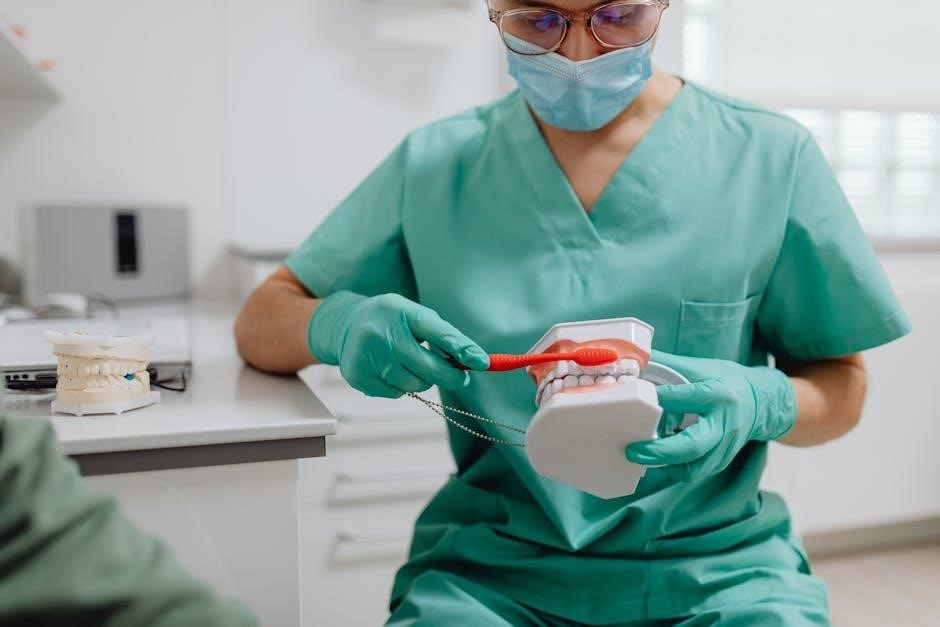
The Beckman Oral Motor Evaluation, accessible as a detailed PDF, moves beyond subjective observations by providing a system for quantifying oral motor performance․ The PDF protocol outlines specific scoring criteria for assessing range of movement, strength, and responses to tactile stimulation․
This PDF-guided approach allows clinicians to track progress objectively over time, demonstrating measurable improvements in oral motor skills․ The PDF details how assisted movement and stretch reflexes are used to assign numerical values to various oral motor functions․

The PDF’s standardized scoring system enhances the reliability and validity of the evaluation, facilitating data-driven treatment planning․
Targeted Areas of Assessment
The Beckman Oral Motor Evaluation PDF comprehensively assesses several key areas of oral function․ It meticulously examines lip function and movement, noting range, strength, and response to pressure․ Similarly, cheek function and movement are evaluated using standardized protocols detailed within the PDF․
The PDF also guides assessment of jaw function and movement, alongside a thorough evaluation of tongue function and movement, including elongation and strength․ Finally, the PDF outlines procedures for assessing soft palate function and movement, crucial for swallowing and speech․
This holistic approach, as outlined in the PDF, ensures a complete picture of the patient’s oral motor capabilities․
Lip Function and Movement
The Beckman Oral Motor Evaluation PDF details a specific protocol for assessing lip function and movement․ This includes evaluating the range of upper and lower lip movement, scored on a scale (e․g․, 0/3 to 6/6 as noted in resources)․ Strength is also quantified, observing the response to applied pressure․
The PDF guides clinicians to observe for symmetry and coordination during lip movements․ Assessing the lips’ ability to close, pucker, and smile is crucial․ The evaluation, as detailed in the PDF, doesn’t rely on verbal instruction, allowing for accurate assessment even with non-verbal individuals․
These observations contribute to a comprehensive understanding of lip motor skills․
Cheek Function and Movement
The Beckman Oral Motor Evaluation PDF outlines assessment procedures for cheek function and movement, focusing on its role in bolus control during feeding and speech․ Like other areas, range of motion and strength are key components, often scored numerically within the PDF protocol․
Clinicians using the PDF observe the cheeks’ ability to create inward pressure to assist with sucking and outward pressure for blowing․ The evaluation assesses symmetry and coordination of cheek movements, noting any weakness or asymmetry․

Importantly, the Beckman approach, detailed in the PDF, assesses these functions without relying on verbal cues, providing a reliable measure for diverse populations․
Jaw Function and Movement
The Beckman Oral Motor Evaluation PDF meticulously details the assessment of jaw function and movement, crucial for both chewing and clear articulation․ The protocol assesses range of motion – both upper and lower – and strength, often utilizing a scoring system detailed within the PDF․
Evaluators observe jaw stability, noting any tremors or asymmetries during movement․ The Beckman method, as outlined in the PDF, quantifies the jaw’s ability to elevate, depress, protrude, and retract, essential for efficient oral processing․
A key feature highlighted in the PDF is assessing function without verbal instruction, allowing for accurate evaluation across various communication abilities․
Tongue Function and Movement
The Beckman Oral Motor Evaluation PDF provides a detailed protocol for assessing tongue function and movement, a cornerstone of feeding and speech․ The PDF outlines evaluations of tongue elongation, strength, and range of motion, utilizing a standardized scoring system for objective measurement․
Assessments detailed in the PDF include observing the tongue’s ability to elevate, depress, protrude, and lateralize․ Crucially, the Beckman approach, as described in the PDF, emphasizes evaluating function without relying on verbal cues, ensuring accurate assessment for all individuals․
The PDF highlights quantifying responses to pressure and movement, providing valuable insights into oral motor skills․
Soft Palate Function and Movement
The Beckman Oral Motor Evaluation PDF includes a crucial assessment of soft palate function and movement, vital for both swallowing and speech resonance․ The protocol, detailed within the PDF, focuses on observing elevation symmetry and range of motion during both static and dynamic tasks․
The Beckman approach, as outlined in the PDF, utilizes assisted movement to quantify the response to pressure and movement, assessing the soft palate’s ability to appropriately engage during oral motor activities․ This evaluation is performed without relying on verbal instructions, ensuring accurate results․
The PDF emphasizes assessing the soft palate’s contribution to velopharyngeal closure․
Common Exercises & Techniques
The Beckman Oral Motor Exercises PDF details a variety of techniques to improve oral motor skills․ These commonly include oral motor stretches designed to increase range of motion and flexibility within the oral structures․ The PDF also highlights the use of gentle facial massage to reduce tension and prepare tissues for more targeted exercises․
Furthermore, the Beckman approach, as described in the PDF, emphasizes tongue placement techniques, guiding the tongue to achieve optimal positioning for speech and feeding․ These exercises are often playful and designed to stimulate proper development․
The PDF stresses that these techniques utilize assisted movement․
Oral Motor Stretches
According to the Beckman Oral Motor Exercises PDF, oral motor stretches are a cornerstone of the therapy approach․ These stretches aim to improve the range of motion and flexibility of the lips, cheeks, jaw, and tongue․ The PDF details specific techniques for each area, often involving gentle, assisted movements performed by the therapist․
The goal is to increase the elasticity of the oral musculature, preparing it for more functional tasks like speech and feeding․ The Beckman method, as outlined in the PDF, emphasizes observing the patient’s response to these stretches, quantifying their ability to resist or participate in the movement․
Gentle Facial Massage
The Beckman Oral Motor Exercises PDF highlights gentle facial massage as a vital preparatory technique․ This isn’t simply relaxation; it’s a targeted approach to increase awareness and readiness of the perioral muscles․ The PDF emphasizes that massage can help reduce tension and improve circulation around the mouth and cheeks․
Therapists utilize specific massage patterns, documented within the Beckman protocol, to prepare the tissues for more intensive exercises․ Observing the patient’s response – noting any resistance or relaxation – is crucial, as detailed in the PDF․ This technique primes the oral mechanism for improved function and responsiveness during subsequent evaluations and interventions․
Tongue Placement Techniques
The Beckman Oral Motor Exercises PDF details various tongue placement techniques, moving beyond simply asking a child to “stick out their tongue․” These techniques, central to the Beckman approach, involve the therapist providing gentle, assisted movement to assess and improve tongue control․ The PDF illustrates how to evaluate tongue elevation, lateralization, and protrusion․

These aren’t about forcing movement, but rather eliciting a response and quantifying the range and strength of the tongue’s abilities․ The Beckman protocol, as outlined in the PDF, emphasizes observing the child’s response to these assisted movements, providing valuable insight into their oral motor skills without relying on verbal instruction․
Benefits of Beckman Oral Motor Exercises
The Beckman Oral Motor Exercises PDF highlights significant benefits, primarily improved feeding skills and enhanced speech clarity․ By addressing underlying oral motor weaknesses, these exercises can help children transition to more age-appropriate textures and reduce mealtime struggles․ The Beckman approach, detailed within the PDF, focuses on building a strong foundation for oral motor function․
Furthermore, the PDF suggests that improved oral awareness and control contribute to clearer articulation and overall speech intelligibility․ The exercises aren’t just about movement; they’re about strengthening the neural pathways responsible for coordinated oral motor actions, leading to lasting improvements․
Improved Feeding Skills
The Beckman Oral Motor Exercises PDF emphasizes how targeted exercises can dramatically improve feeding skills․ Often, children with oral motor challenges struggle with texture acceptance and safe swallowing․ The Beckman approach, as outlined in the PDF, addresses these issues by strengthening the muscles involved in chewing and moving food around the mouth․
This leads to a greater ability to manage different food consistencies, reducing picky eating and promoting more efficient and enjoyable mealtimes․ The PDF details techniques to improve lip closure, cheek strength, and tongue control—all crucial for successful feeding․ Ultimately, the goal is to foster independent and confident eaters․
Enhanced Speech Clarity
The Beckman Oral Motor Exercises PDF demonstrates how strengthening oral structures directly contributes to enhanced speech clarity․ Precise tongue placement, lip rounding, and jaw stability—all addressed in the exercises—are fundamental for accurate articulation․ The Beckman protocol, detailed within the PDF, focuses on improving the range of motion and strength of these key muscle groups․
By improving oral motor control, children can produce sounds more consistently and with greater accuracy․ This can significantly reduce speech errors and improve overall intelligibility․ The PDF provides specific techniques to target sounds that are particularly challenging for the child, leading to noticeable improvements in communication skills․
Conditions Benefiting from Beckman Therapy

The Beckman Oral Motor Exercises PDF outlines applications for a range of conditions․ Developmental Delays often present with weak oral motor skills, addressed through targeted exercises․ Dysphagia (swallowing difficulties) benefits from strengthening and coordination improvements detailed in the PDF․ Furthermore, individuals with Apraxia of Speech—difficulty planning movements—can gain control through the protocol’s focus on assisted movement and stretch reflexes․
The Beckman approach, as described in the PDF, is valuable for children with neurological impairments, genetic syndromes, and those recovering from traumatic brain injuries, all impacting oral motor function․ It provides a structured framework for improving oral awareness and motor planning․
Developmental Delays
The Beckman Oral Motor Exercises PDF highlights its efficacy in addressing oral motor challenges common in Developmental Delays․ Children experiencing these delays often exhibit hypotonia or difficulty coordinating oral movements, impacting feeding and speech․ The protocol, detailed within the PDF, focuses on strengthening weak muscles and improving range of motion․
Exercises outlined in the Beckman approach, as presented in the PDF, assist in establishing a foundation for functional oral motor skills․ This includes improving lip closure, tongue protrusion, and jaw stability—crucial for successful oral intake and articulation development․ Early intervention using these techniques can significantly improve outcomes․
Dysphagia (Swallowing Difficulties)
The Beckman Oral Motor Exercises PDF provides a structured approach to address Dysphagia (Swallowing Difficulties) by targeting the underlying oral motor weaknesses․ The protocol, detailed in the PDF, assesses and strengthens the muscles involved in all phases of swallowing – oral preparation, oral transport, and pharyngeal swallow․
Exercises within the Beckman framework, as outlined in the PDF, focus on improving bolus formation, control, and safe transport․ This includes techniques to enhance lip closure, tongue control, and cheek tension․ By improving these skills, the Beckman approach aims to reduce the risk of aspiration and improve overall swallowing safety and efficiency․
Apraxia of Speech
The Beckman Oral Motor Exercises PDF offers a unique approach to Apraxia of Speech, focusing on the foundational motor skills necessary for speech production․ Unlike traditional approaches relying heavily on verbal cues, the Beckman protocol, detailed within the PDF, utilizes assisted movement and stretch reflexes․
This allows clinicians to assess and improve the range, strength, and coordination of oral movements, even when a child struggles to follow verbal instructions․ The PDF outlines exercises targeting lips, cheeks, jaw, tongue, and soft palate, building a strong motoric base for more complex speech sounds․ This can improve articulatory precision and overall speech intelligibility․
Finding Beckman-Trained Professionals
Accessing qualified therapists is crucial for effective Beckman Oral Motor Exercises․ The official Beckman Oral Motor website, often referenced within the PDF resources, provides a directory of certified professionals․ This PDF-accessible resource allows families to locate therapists specifically trained in the Beckman approach․
These professionals have undergone specialized training to accurately administer the Beckman Oral Motor Evaluation Protocol and implement targeted exercises․ Utilizing a Beckman-trained therapist ensures the exercises are performed correctly and tailored to the individual’s needs․ The PDF materials emphasize the importance of proper technique for optimal outcomes․
Resources for Locating Therapists
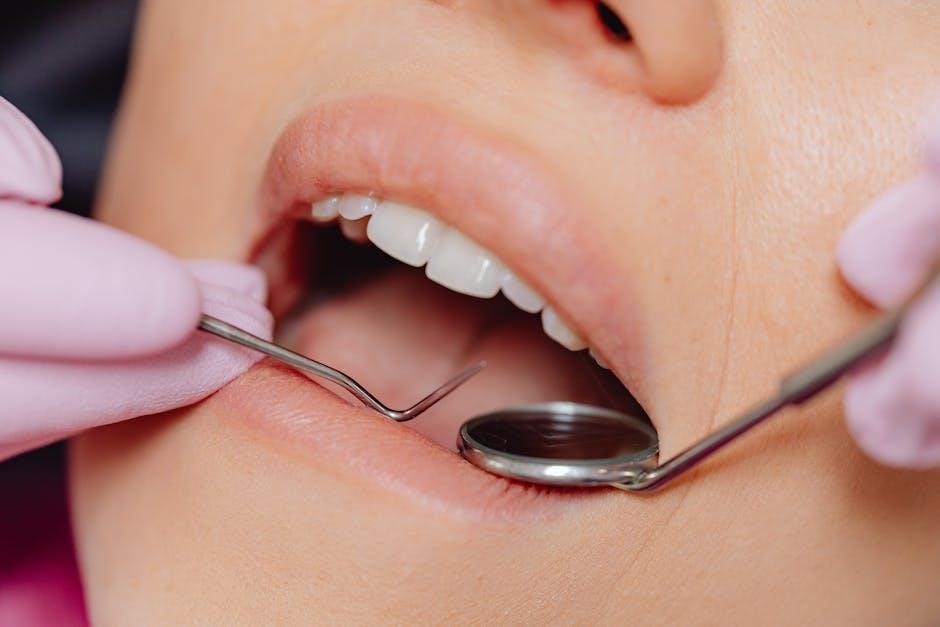
Several online resources aid in finding Beckman-trained professionals․ The primary source is the official Beckman Oral Motor website (www․beckmanoralmotor․com), frequently mentioned in associated PDF documents․ This site hosts a searchable directory, allowing filtering by location and specialization․
Additionally, professional organizations related to speech-language pathology and occupational therapy often maintain databases of certified practitioners․ Many clinics specializing in pediatric feeding and speech therapy will highlight Beckman training on their websites, often with links to relevant PDF information․ Reviewing these PDF resources can confirm a therapist’s credentials․
Beckman Oral Motor Protocol Updates (2019 Revision)
The Beckman Oral Motor protocol underwent a significant revision in 2019, detailed in updated PDF versions of the evaluation and exercise guidelines․ These revisions refined scoring criteria and clarified assessment procedures, enhancing the protocol’s reliability and validity․ The updated PDF documents emphasize a more standardized approach to quantifying oral motor skills․
Key changes included expanded descriptions of movement patterns and improved guidance on interpreting responses to pressure and movement․ Practitioners are encouraged to utilize the latest PDF resources from www․beckmanoralmotor․com to ensure they are implementing the most current and effective techniques․